Choosing napkins for a restaurant seems straightforward – pick the cheapest option and move on. In reality, this decision affects three critical areas: how guests perceive your establishment, your monthly operating costs, and daily service efficiency.
A flimsy napkin with a greasy main course forces guests to reach for extras. An oversized napkin with an espresso looks out of place. The wrong fold for your dispenser causes jams and waste. Each scenario costs you – in money or reputation.
This guide walks you through the entire selection process in 5 clear steps. From analysing your business type to optimising costs. Browse our full napkin range to see available options.
Why Napkin Choice Matters in Restaurants
Guest Perception
A napkin is the only disposable product a guest holds throughout their entire meal. Its thickness, softness, and appearance create a subconscious impression of your establishment's standard. Research shows guests evaluate service quality through small details – and the napkin is one of them.
A restaurant with crisp white napkins and a subtle logo inspires confidence. The same restaurant with thin, grey discount napkins loses part of that effect – even with outstanding food.
Cost Control
Napkins represent a small percentage of operating costs, but poor choices can generate disproportionate spending. The mechanism is simple: if a napkin is too thin, a guest takes 2-3 instead of one. Over a month, that means doubling or tripling your consumption.
Investing in better quality often proves cheaper than buying the cheapest napkins in bulk.
Operational Efficiency
Napkins must fit the system you use. A dispenser requires a specific format and fold. A table napkin holder requires another. Hand service requires yet another. Mismatches create daily friction: dispenser jams, napkins falling from holders, staff wasting time solving these minor but persistent problems.
Step by Step: How to Choose Restaurant Napkins
Step 1: Define Your Business Type
Your type of food service determines napkin requirements. Each segment has different priorities:
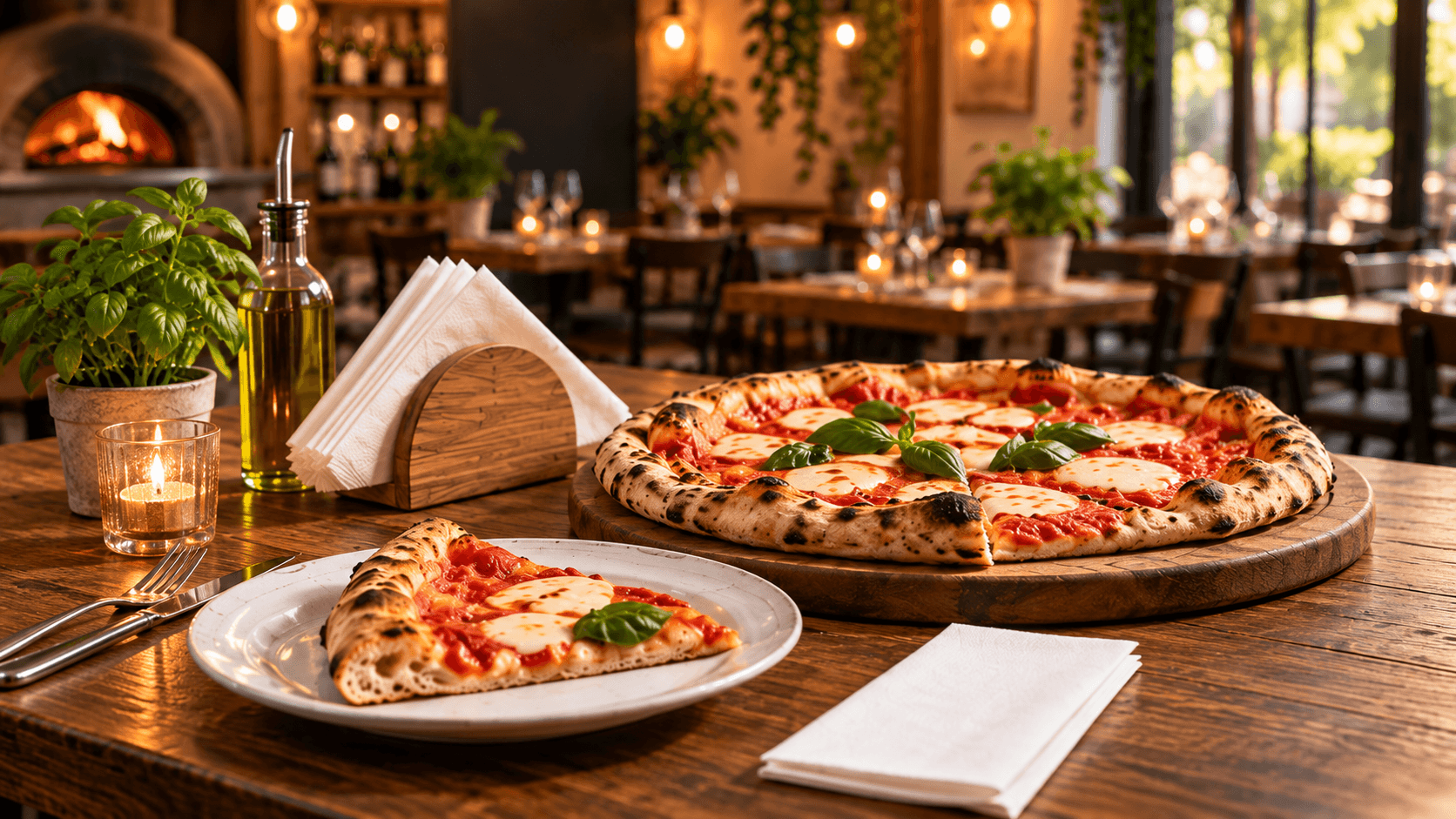
Classic restaurant / fine dining – Priority: quality, aesthetics, premium feel. Guests spend more time at the table and expect higher standards. The napkin must be soft, absorbent, and elegant.
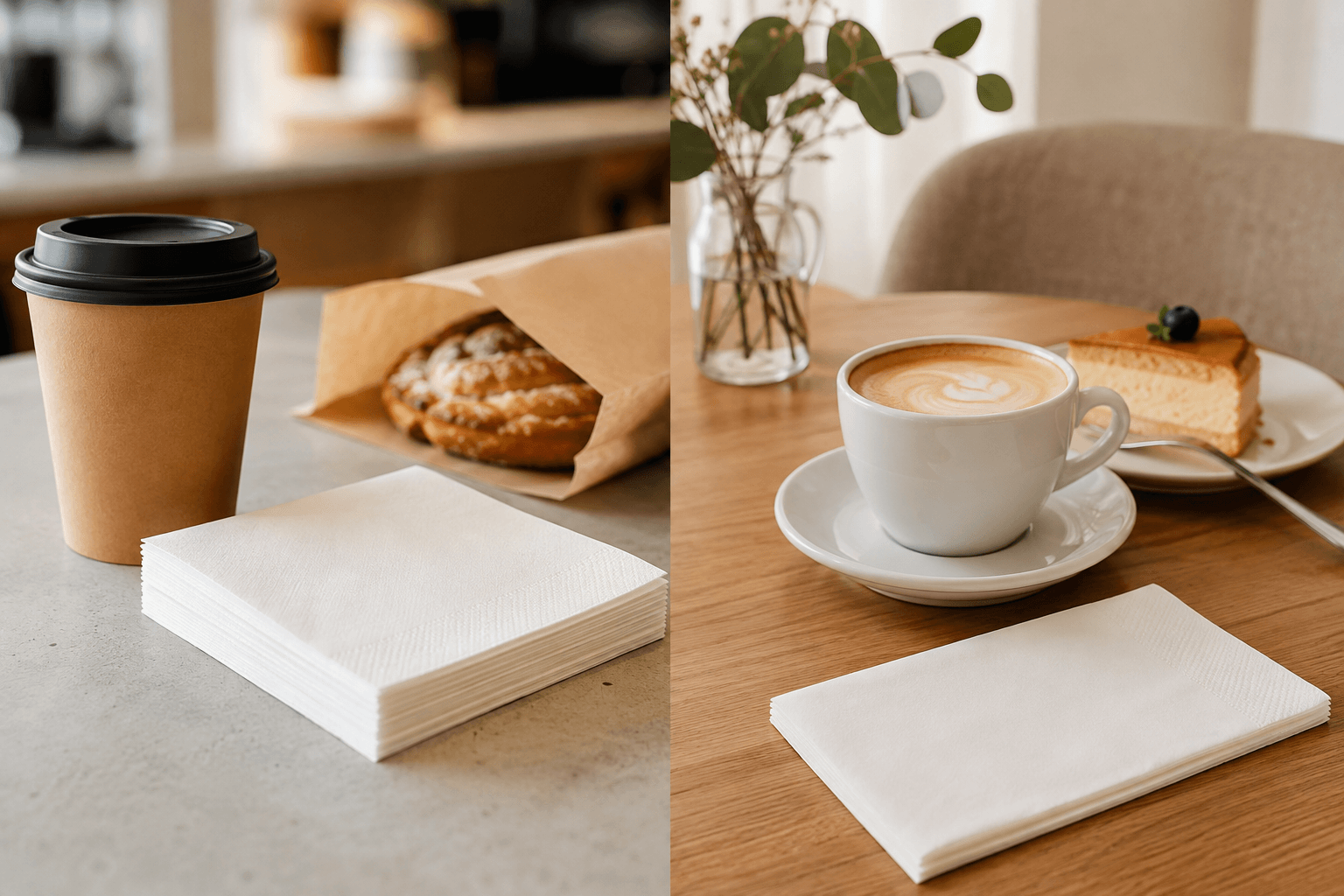
Café / bistro – Priority: functionality at moderate cost. Meals are lighter (sandwiches, pastries, salads), table time is shorter. The napkin must be practical but need not be premium.
Fast food / food truck – Priority: speed, hygiene, cost. High guest turnover, often greasy or messy meals. Accessibility (dispensers) and low unit cost matter most.
Catering / events – Priority: flexibility and personalisation. Different event types demand different napkins. From cocktail receptions to formal dinners.
Hotel restaurant – Priority: brand consistency. Napkins must match the hotel's overall standard. Logo printing reinforces brand identity across all touchpoints.
Define which segment your business belongs to. This is your first filter that narrows the selection.
Step 2: Choose the Right Size
Napkin size must match the type of meals served and the style of service.
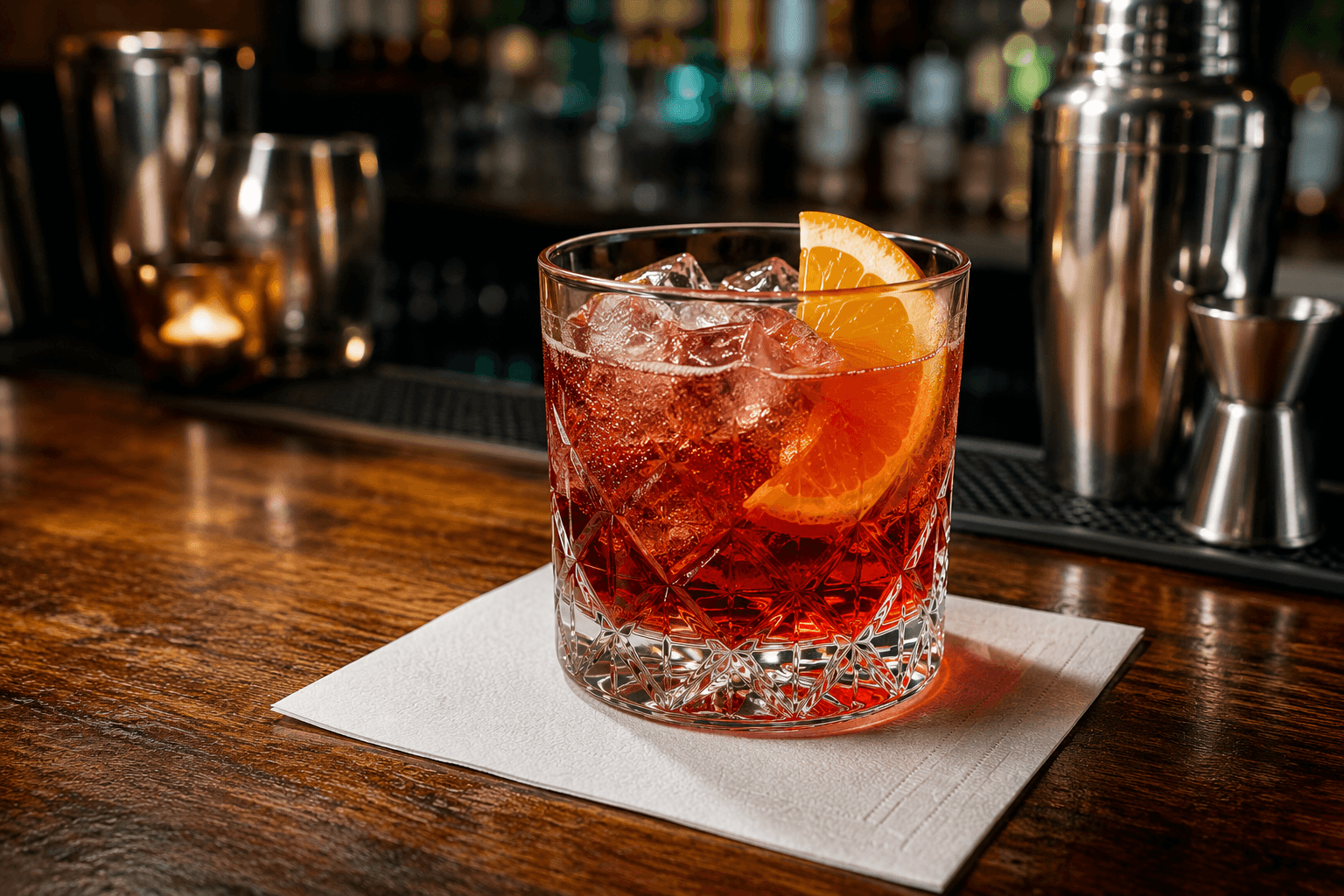
15×15 cm (cocktail) – The smallest format. Designed for beverages, cocktails, and small appetisers. Placed under glasses or handed out at the bar. Unsuitable for any meal requiring hand-wiping.
24×24 cm (universal) – The most popular size in casual dining. Sufficient for sandwiches, salads, and light dishes. Cost-effective format with a good surface-to-price ratio. Fits standard napkin holders.
33×33 cm (standard gastro) – The classic format for full meals. Gives guests genuine comfort – large enough to place on their lap. The standard in restaurants, hotels, and events. See our 33×33 cm gastro napkins.
Dispenser formats (1/4 fold, 1/8 fold) – Specific dimensions designed for particular dispenser types (wall-mounted, tabletop, built-in). Guests pull one napkin at a time, limiting waste. Hygienic – no contact with remaining napkins. Dedicated to self-service, fast food, and restrooms. See our dispenser napkins.
Practical rule: The heavier and messier the meal, the larger the napkin. Espresso with cake → 24×24 cm. Steak with chips → 33×33 cm. BBQ ribs → 33×33 cm, two per guest.
Step 3: Choose the Ply Count (1-ply, 2-ply, 3-ply)
Ply count directly impacts absorbency, softness, and durability. It is one of the most important parameters that determines perceived quality.
1-ply – Economical, thin, absorbs quickly. Works well in self-service dispensers and for beverages. Not suitable for meals requiring vigorous wiping – tears easily. Cost: lowest.
2-ply – The optimal compromise for 90% of food service businesses. Good absorbency, pleasant to touch, durable. Does not tear during normal use. Sufficient for main courses, salads, and desserts. Cost: moderate.
3-ply – Premium segment. Noticeably thicker, softer, highly absorbent. Guests immediately feel the quality difference. Intended for fine dining, 4-5 star hotels, and special occasions. Cost: highest, but per-guest consumption drops.
Cost-quality trade-off: 2-ply is the safe choice for most establishments. Upgrading from 1-ply to 2-ply reduces consumption by 20-30% because guests take fewer napkins. Upgrading to 3-ply only pays off when you deliberately build a premium impression.
Step 4: Choose the Napkin Type
After determining size and ply count, select the specific product. Each type serves a distinct purpose:
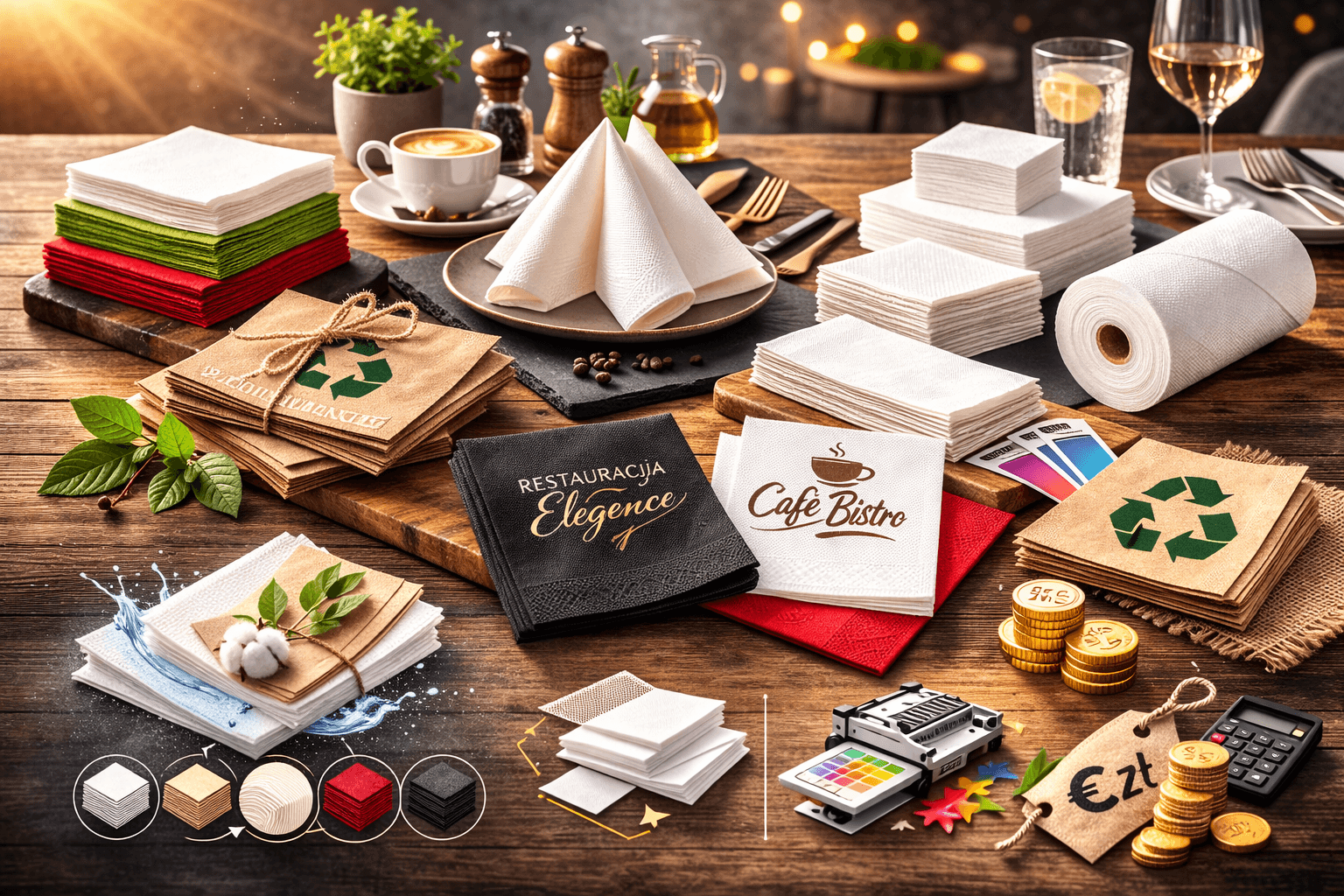
Standard white paper napkins – The universal choice. White, clean, matching any interior. Widest range of sizes and weights. Best price-to-quality ratio. The ideal foundation for any establishment.
Dispenser napkins – Specially folded for specific dispenser types (wall-mounted, tabletop, built-in). Guests pull one napkin at a time, reducing waste. Hygienic – no contact with the remaining stack. Dedicated to self-service, fast food, and washrooms.
Eco napkins – Made from recycled cellulose or certified sources (FSC/PEFC). Natural beige colour – no chemical bleaching. Increasingly valued by environmentally conscious consumers. Quality comparable to white. Read more about eco napkins. See our eco napkin range.
Custom printed napkins – Logo, pattern, or slogan printed on the napkin. A marketing tool: guests see your brand throughout their meal. Cost-effective with regular, recurring orders. Minimum quantities start at 1,000-2,000 units. More details in our article on personalised napkins.
Step 5: Estimate Usage and Optimise Costs
Calculate your real demand before placing an order. This prevents two extremes: shortages during peak season and excess stock tying up storage space.
Monthly consumption formula:
Average daily guests × napkins per guest × 30 days × 1.2 (safety buffer)
Approximate usage per guest:
- Coffee / beverages: 1 napkin
- Breakfast / light lunch: 2 napkins
- Dinner / full meal: 3 napkins
- Meals requiring hand-wiping (ribs, burgers, seafood): 4-5 napkins
- Self-service dispenser: 2-3 napkins (some guests take more)
How to reduce costs without sacrificing quality:
- Higher quality = lower consumption. 2-ply instead of 1-ply reduces the number of napkins each guest takes
- Dispensers cut waste by 25-40% compared to open napkin holders
- Larger orders = lower unit price. Negotiate volume discounts
- Plan purchases ahead – avoid emergency orders at premium prices
Comparing Popular Options
24×24 cm vs 33×33 cm
- 24×24 cm costs roughly 30-40% less than 33×33 cm at the same quality level
- 33×33 cm offers noticeably better comfort – guests can place it on their lap without folding
- 24×24 cm is sufficient for light meals, coffee, and desserts
- 33×33 cm is the standard for full lunch and dinner courses
- Many establishments use both sizes simultaneously: smaller for beverages, larger for main dishes
1-ply vs 2-ply vs 3-ply
- 1-ply: cheapest per unit, but consumption is 40-60% higher. Tears easily. Only suitable for dispensers and beverages
- 2-ply: optimal price-to-quality ratio. Sufficient absorbency and strength for 90% of food service applications
- 3-ply: 50-80% more expensive than 2-ply, but per-guest consumption drops. Clearly perceptible quality difference. Justified in fine dining and premium hotels
- Upgrading from 1-ply to 2-ply usually does not increase total costs – savings from lower consumption offset the higher unit price
Common Mistakes When Choosing Napkins
1. Buying the cheapest without analysing total consumption. Cheap 1-ply napkins generate higher overall costs because guests take twice as many. Calculate the cost per guest, not per unit.
2. Ignoring dispenser compatibility. Purchasing napkins that don't fit your existing dispensers causes jams, spillage, and staff frustration. Always check dispenser specifications before ordering.
3. Skipping sample testing before large orders. Ordering 50,000 napkins without testing a sample first is risky. Paper weight on the spec sheet doesn't tell you everything – touch, unfold, and test in real restaurant conditions.
4. Using one size for everything. A café serving espresso and full dinners needs two sizes. Serving 33×33 cm with coffee is wasteful. Serving 24×24 cm with ribs is uncomfortable.
5. Overlooking the eco factor. More guests now notice environmental choices. Lacking an eco option in a venue that promotes sustainable values creates a branding inconsistency guests will notice.
6. Ordering too little, too often. Frequent small orders cost more (higher unit price + delivery costs). It's better to order a larger batch quarterly than a small one every two weeks.
7. Neglecting storage conditions. Napkins stored in a damp storeroom next to the kitchen lose quality – they become limp, soft, and less absorbent. That is real waste.
Practical Recommendations – Quick Guide
Classic restaurant (casual dining / fine dining):
33×33 cm, 2-ply (or 3-ply for fine dining). White. Consider logo printing when you consistently serve over 80 guests daily.
Café / bistro:
24×24 cm, 2-ply for meals. Optionally 15×15 cm for beverages. Eco napkins fit well in independent café settings.
Fast food / food truck:
Dispenser napkins, 1-ply or 2-ply. Priority: accessibility and hygiene. Dispensers limit waste.
Catering / events:
33×33 cm, 2-ply as a base. 3-ply for prestigious events. Printed napkins for corporate events and weddings.
Hotel:
33×33 cm, 2-3 ply with hotel logo. Consistency with other disposable materials (placemats, breakfast bags).
Storage and Handling Tips
Proper storage extends napkin shelf life and maintains quality:
- Location: dry, cool room away from the kitchen (steam, grease). Temperature 15-25°C, humidity below 60%
- Packaging: keep original shrink wrap intact until use. It protects against dust, moisture, and odours
- Surface: store on shelving or pallets, never directly on the floor
- Rotation: follow FIFO (first in, first out). Use older stock first
- Refilling holders: top up regularly but do not overfill – tightly packed napkins are hard for guests to pull out
- Dispensers: clean regularly and check the mechanism. A jammed dispenser increases waste as guests tear and damage napkins
Summary
- Start by defining your business type – it sets your priorities
- Match size to meal type: 24×24 cm for light dishes, 33×33 cm for full courses
- 2-ply is the safe choice for most food service establishments
- Better quality reduces consumption – calculate cost per guest, not per unit
- Test samples before committing to a large order
- Dispensers reduce waste by 25-40%
- Store in dry conditions, on shelves, in original packaging
- Plan orders ahead and negotiate volume discounts
- Custom printed napkins pay off at regular consumption above 5,000 units per month
Related articles:
- Eco napkins in food service – is it worth switching to green?
- Logo napkins as a restaurant marketing tool
- Buying napkins in bulk – comparing suppliers and optimising costs